
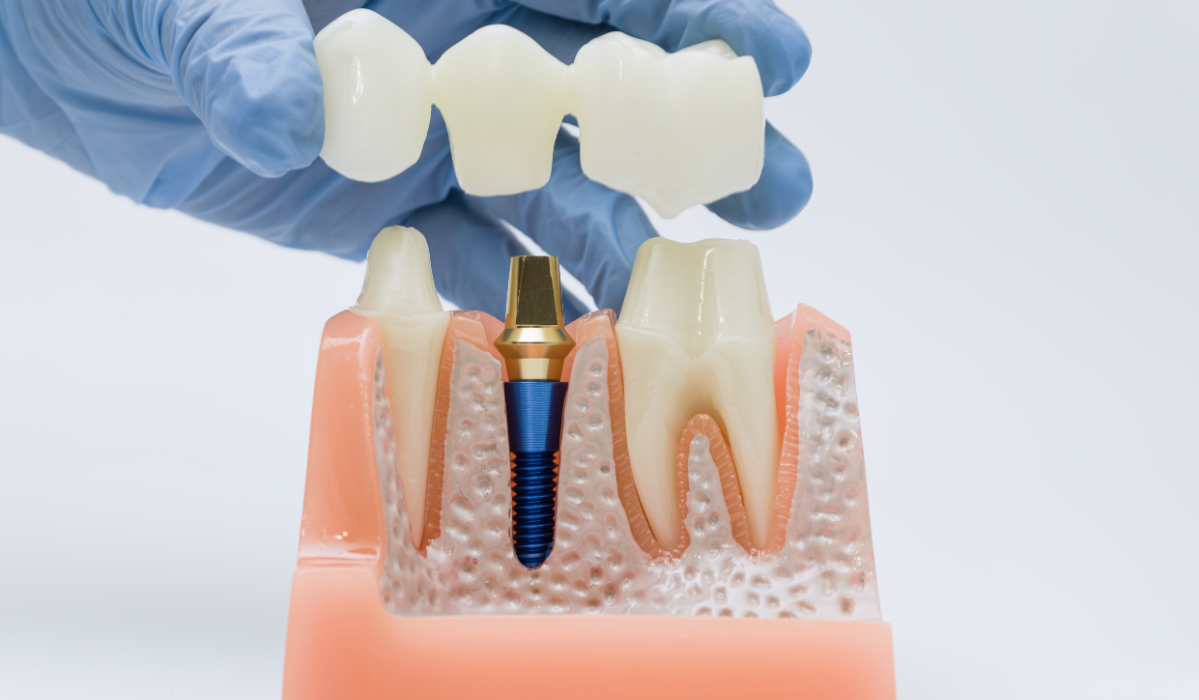
When patients ask about dental implants, most questions focus on the titanium post and the bone underneath it. That makes sense. But there is another layer of the puzzle that deserves just as much attention: your gum tissue. Healthy gums are not just cosmetic. They are essential to the long-term success of your dental implants. At Dentistry Dunnville, we assess the full picture before placing any implant. That includes a thorough look at your soft tissue and how it will support your result. Here is what every patient in Dunnville should understand about gum health and dental implants.
Why Gum Health Matters for Dental Implants
A dental implant replaces the root of a missing tooth with a small titanium post. That post fuses with your jawbone through a process called osseointegration. But the post does not exist in isolation. The gum tissue surrounding it plays a direct role in stability, protection, and appearance. Healthy gums form a tight seal around the implant. This seal acts as a barrier, blocking bacteria from reaching the bone beneath. When gum tissue is thin, receded, or compromised by disease, that barrier weakens. Bacteria can then track down along the implant surface and cause infection in the surrounding bone. This condition is called peri-implantitis and it is one of the leading causes of implant failure. The Canadian Dental Association notes that gum disease affects a significant portion of Canadian adults. Patients with a history of gum disease carry a higher risk of complications around dental implants, which is why gum health must be addressed before and after treatment.
Signs That Your Gums May Need Attention Before Implant Surgery
Not every patient is gum-disease-free when they come in for a consultation. Some common signs that your soft tissue needs work before dental implants can proceed include:
- Gums that bleed easily when you brush or floss
- Recession that exposes the root surfaces of nearby teeth
- Chronic puffiness or redness along the gumline
- Pockets deeper than three millimetres around existing teeth
- A history of periodontitis (advanced gum disease)
If any of these apply to you, your dental team will recommend treating the underlying gum condition before moving forward with dental implants. This is not a delay for its own sake. It is the step that protects your entire investment.
What Is Soft Tissue Grafting?
Soft tissue grafting is a procedure that adds gum tissue to areas where there is not enough of it. In the context of dental implants, grafting serves two main purposes: it improves the structural support around the implant, and it improves the appearance of the final result. There are a few different approaches, depending on your situation. Connective tissue grafts are the most common type. Your dental team takes a small amount of tissue from the roof of your mouth and places it at the implant site to build up volume and coverage. Free gingival grafts also use tissue from the palate and work well for patients who need to increase the band of firm, attached gum tissue around the implant. Pedicle grafts shift tissue from a healthy area directly adjacent to the implant site. This approach works best when there is plenty of healthy tissue nearby. Each method has its place. Your dental team will recommend the right approach based on your anatomy, bone levels, and the location of the implant.
How Gum Tissue Affects Dental Implants Appearance
Beyond function, soft tissue has a major impact on how your dental implants look. A natural tooth sits within a frame of gum tissue that contours gently around the base of the crown. When that tissue is thin, receded, or uneven around an implant, the result can look artificial even if the crown itself is excellent. Good soft tissue volume creates the papillae (the small triangular peaks of gum between teeth) and a smooth, natural gumline that makes a crown blend in seamlessly. When the tissue is lacking, dark triangles or exposed implant hardware can show, especially in the front of the mouth. Patients often notice this difference most in smile photos. A well-managed soft tissue result makes it difficult to tell the implant from a natural tooth. That is the goal.
Maintaining Gum Health After Dental Implants Are Placed
Once your dental implants are in place and healed, gum health becomes an ongoing commitment. Implants do not decay the way natural teeth do, but the tissue around them can still develop disease. Peri-implant mucositis (inflammation of the gum around the implant) is an early warning sign. Caught early, it responds well to professional cleaning and improved home care. Left untreated, it can progress to peri-implantitis and threaten the implant itself. Here is what consistent gum care around dental implants looks like:
- Brush twice daily with a soft-bristled toothbrush, paying close attention to the gumline
- Floss daily using implant-safe floss, a floss threader, or a water flosser
- Use an alcohol-free antibacterial rinse to reduce bacterial load
- Avoid smoking, which dramatically increases inflammation and infection risk around implants
- Attend regular cleanings at your dental clinic (every three to six months is often recommended for implant patients)
At Dentistry Dunnville, our team checks the soft tissue around your dental implants at every follow-up visit. We look for early signs of inflammation, measure pocket depths, and use imaging to track bone levels over time. Catching any change early gives us the best chance to correct it before it becomes a bigger problem.
Dental Implants Success Starts With a Strong Foundation
The titanium post at the centre of a dental implant is built to last a lifetime. But the tissue around it determines whether that lifetime is realistic. Thin, diseased, or poorly managed gum tissue puts the entire result at risk, regardless of how well the surgical placement went. That is why the team at Dentistry Dunnville takes a comprehensive approach to every implant case. We evaluate your bone, your bite, and your soft tissue before we begin. If grafting or periodontal therapy is needed first, we recommend it as part of your treatment plan, not as an afterthought. If you are considering dental implants and want to understand your full picture, we encourage you to book a consultation. Call us at 905-774-7608 or visit us at 105 Locke Street E in Dunnville. We will walk you through exactly what your implant journey looks like, from your gums to your final crown.

0 Comments