
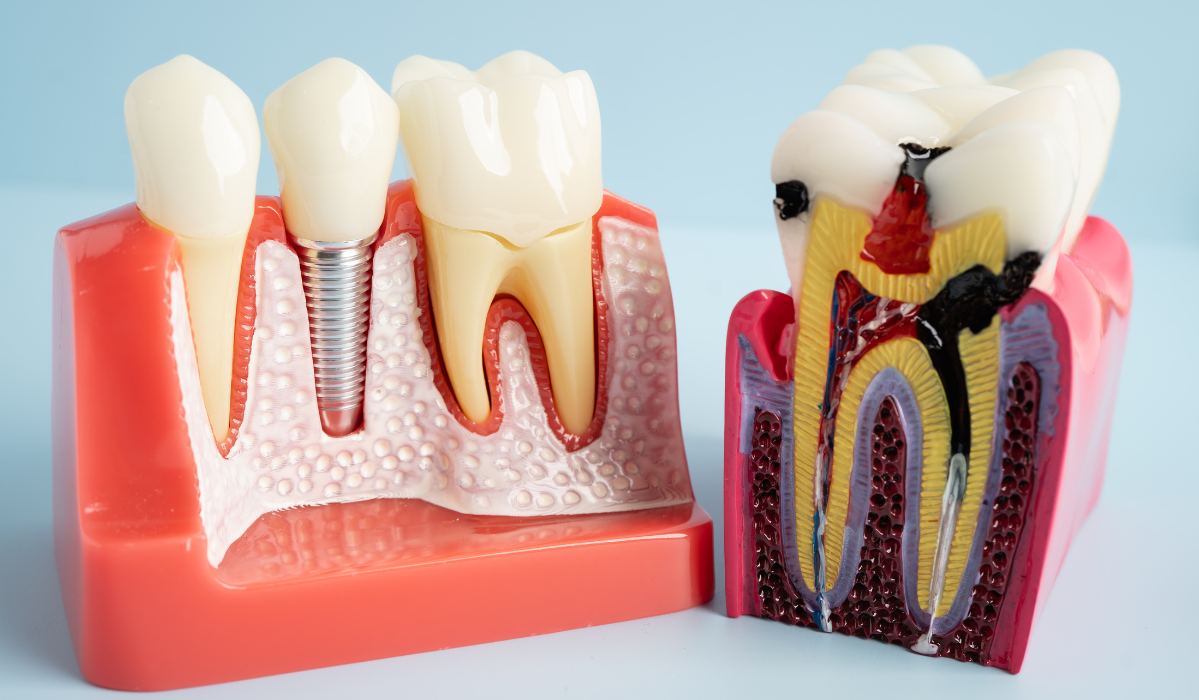
While root canal therapy boasts high success rates, some cases require retreatment to address persistent or recurring problems. At Dentistry Dunnville, we understand that learning your root canal needs additional treatment can be disappointing. However, retreatment often saves teeth that might otherwise require extraction, preserving your natural smile and oral function.
Why Initial Root Canal Treatment May Fail
Common Reasons for Root Canal Failure:
- Complex canal anatomy missed during initial treatment
- New decay exposing the root canal filling
- Cracks or fractures in the tooth structure
- Delayed crown placement allowing reinfection
- Inadequate seal allowing bacterial penetration
- Curved or narrow canals difficult to clean completely
Root canal failure doesn’t necessarily indicate poor initial treatment. Some teeth have complex internal anatomy that makes complete cleaning challenging. Narrow or curved canals may contain bacteria that survive the initial procedure, causing problems months or years later.
New problems can also develop after successful root canal therapy. Decay around the crown margin can expose the filling material to bacteria. Cracks in the tooth structure create pathways for infection to reach previously treated areas.
At Dentistry Dunnville, we use advanced technology to minimize the need for retreatment. Digital imaging and specialized instruments help identify and treat complex canal systems. However, some cases still require additional intervention despite best efforts.
Signs Your Root Canal Needs Retreatment
Symptoms Indicating Retreatment Necessity:
- Persistent pain or sensitivity in treated tooth
- Swelling or tenderness in surrounding gums
- Pimple-like bump on gums near tooth
- Discoloration of the treated tooth
- Pain when biting or chewing
- Visible damage to crown or filling
Pain or discomfort in a previously treated tooth often signals the need for retreatment. While some sensitivity immediately after root canal therapy is normal, persistent or recurring pain indicates ongoing problems. Swelling around the treated tooth suggests infection that requires attention.
Visual changes also indicate potential problems with previous treatment. Darkening of the tooth or visible damage to the restoration may compromise the seal. These issues allow bacteria to reenter the canal system, necessitating retreatment.
How Root Canal Retreatment Differs from Initial Treatment
Key Differences in Retreatment Procedures:
- Removal of previous filling materials
- More complex access through existing restoration
- Additional time needed for thorough cleaning
- Advanced techniques to address complications
- Possible need for surgical intervention
Root canal retreatment involves removing the previous filling material before cleaning and refilling the canals. This process requires specialized instruments and techniques. The dentist must carefully navigate through existing restorations without causing additional damage.
Retreatment typically takes longer than initial root canal therapy. The complexity of removing old materials and addressing the cause of failure requires extra time and precision. At Dentistry Dunnville, we ensure thorough treatment even when procedures become more complex.
Some cases require surgical retreatment called apicoectomy. This procedure involves accessing the root tip through the gum tissue when conventional retreatment isn’t feasible. Surgical approaches can save teeth when standard retreatment methods prove insufficient.
Success Rates for Root Canal Retreatment
Expected Outcomes from Retreatment:
- Success rates ranging from 70-90 percent
- Higher success with early intervention
- Better outcomes when proper crown placed promptly
- Improved results with advanced technology
- Long-term tooth preservation in most cases
Root canal retreatment has good success rates, though slightly lower than initial treatment. Early intervention improves outcomes significantly. Addressing problems promptly prevents extensive damage that complicates retreatment.
Modern technology enhances retreatment success rates. Microscopes allow better visualization of canal systems. Advanced instruments reach areas that were previously inaccessible. These improvements help achieve better outcomes than older techniques provided.
Proper restoration after retreatment is crucial for long-term success. Placing a crown promptly protects the tooth and prevents reinfection. Patients who follow through with recommended restorations experience better long-term results.
Alternatives to Root Canal Retreatment
Other Options When Retreatment Isn’t Ideal:
- Apicoectomy (surgical root canal)
- Tooth extraction with implant placement
- Bridge work using adjacent teeth
- Partial denture for tooth replacement
Sometimes extraction becomes more practical than attempting retreatment. Severely damaged teeth or those with extensive bone loss may not benefit from additional endodontic procedures. The dentist evaluates each case individually to recommend the most appropriate option.
Dental implants offer excellent alternatives when extraction becomes necessary. Modern implants provide stability and function similar to natural teeth. While more invasive initially, implants often provide predictable long-term outcomes.
Cost Considerations for Root Canal Retreatment
Retreatment typically costs more than initial root canal therapy due to increased complexity and time requirements. However, the investment often proves worthwhile compared to extraction and replacement options. Preserving natural teeth maintains bone structure and prevents adjacent teeth from shifting.
Most dental insurance plans cover retreatment similarly to initial root canal procedures. Coverage typically ranges from 50-80 percent of the cost. Patients should verify their specific benefits before proceeding with treatment.
At Dentistry Dunnville, we provide detailed cost estimates before beginning retreatment. This transparency helps patients make informed decisions about their dental care. We also discuss payment options to make necessary treatment accessible.
Preventing the Need for Root Canal Retreatment
Steps to Protect Previous Root Canal Work:
- Place permanent crown within recommended timeframe
- Maintain excellent oral hygiene around treated tooth
- Attend regular dental checkups for monitoring
- Address new decay or damage promptly
- Avoid chewing hard objects with treated teeth
Proper care after initial root canal therapy reduces retreatment risk. Placing a permanent crown protects the tooth from fracture and reinfection. Delaying crown placement significantly increases the likelihood of treatment failure.
Regular dental visits allow early detection of potential problems. Professional monitoring identifies issues before they require extensive intervention. Patients who maintain consistent dental care experience fewer complications with treated teeth.
Professional Root Canal Retreatment in Dunnville
At Dentistry Dunnville, we provide comprehensive evaluation and treatment for failed root canal therapy. Our team uses advanced diagnostic tools to identify the cause of problems and develop effective treatment plans. We’re committed to saving natural teeth whenever possible through skilled retreatment procedures.
If you’re experiencing problems with a previously treated tooth, contact Dentistry Dunnville at 905-774-7608. Early evaluation and intervention improve the chances of successful retreatment and long-term tooth preservation.

0 Comments