
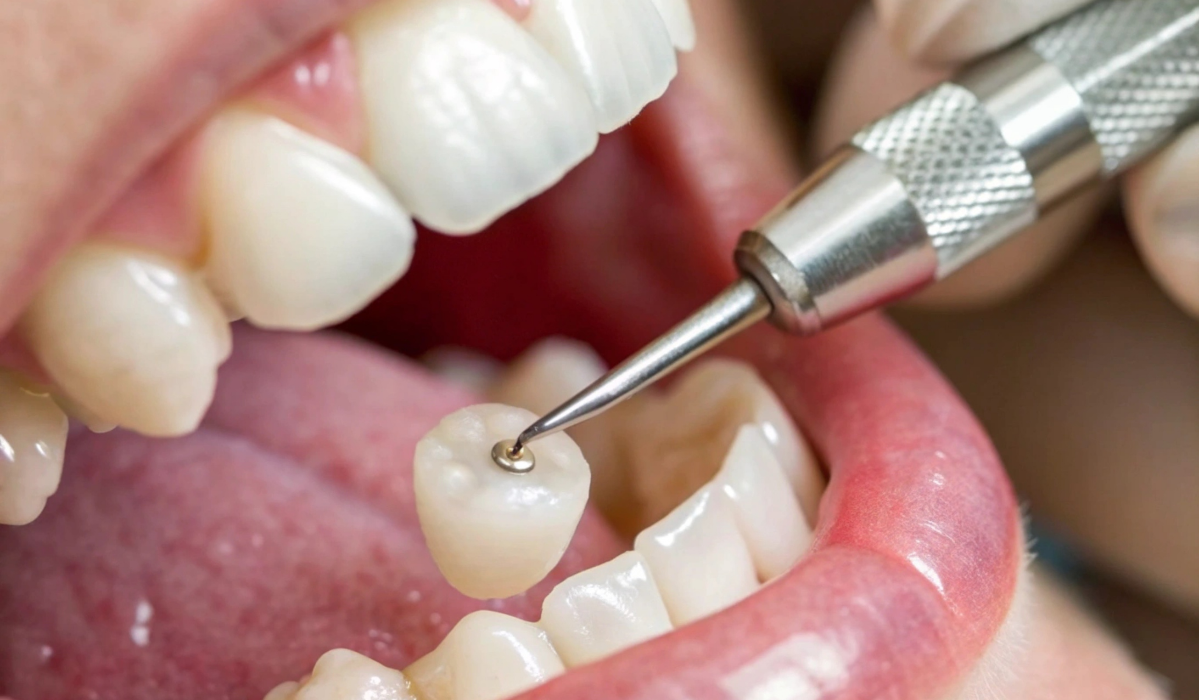
As your Dentist in Dunnville, we know damaged teeth affect more than just your smile. They can cause pain, make eating difficult, and lead to further dental problems if left untreated. Restorative dentistry focuses on repairing and rebuilding damaged teeth, restoring both function and appearance.
Let me explain the restorative treatments available, when each option works best, and how these procedures preserve your natural teeth.
Understanding Restorative Dentistry
Restorative dentistry encompasses treatments that repair or replace damaged tooth structure. The goal is always to save as much natural tooth as possible while restoring full function and appearance. Modern techniques allow your dentist in Dunnville to address everything from minor chips to severely damaged teeth.
Why Restorative Treatment Matters
Ignoring damaged teeth leads to bigger problems. Small cavities grow larger, requiring more extensive treatment. Cracked teeth can split completely, sometimes requiring extraction. Missing teeth cause surrounding teeth to shift, affecting your bite and jaw alignment.
Early intervention keeps treatment simpler and less expensive. At Dunnville Dentistry, we catch problems early during regular checkups and recommend the most conservative treatment that effectively addresses the damage.
Types of Restorative Treatments
Different types of damage require different solutions. Your dentist in Dunnville selects treatments based on the extent of damage, tooth location, and your individual needs.
Dental Fillings
Fillings are the most common restorative treatment. They repair teeth damaged by cavities or minor chips. Modern tooth-colored composite fillings blend seamlessly with natural teeth, making them virtually invisible.
The procedure is straightforward. Your dentist in Dunnville removes decayed or damaged tooth structure, cleans the area thoroughly, and fills the space with composite material. A special light hardens the filling, and final shaping ensures a comfortable bite.
Fillings work best for small to moderate cavities. They preserve most of your natural tooth structure while preventing further decay. With proper care, composite fillings last many years before needing replacement.
Dental Crowns
Crowns, sometimes called caps, cover the entire visible portion of a damaged tooth. They’re necessary when damage is too extensive for a filling but the tooth can still be saved. Crowns protect and strengthen weakened teeth while restoring appearance and function.
Large cavities, cracked teeth, teeth weakened by root canal treatment, and severely worn teeth all benefit from crowns. Modern crowns made from porcelain or zirconia look completely natural and are extremely durable.
Getting a crown typically requires two visits. Your dentist in Dunnville first prepares the tooth by reshaping it and takes impressions for the crown. A temporary crown protects the tooth while the permanent one is made. At the second visit, the permanent crown is carefully fitted and cemented in place.
Dental Bridges
Bridges replace one or more missing teeth by anchoring artificial teeth to adjacent natural teeth. The teeth on either side of the gap are crowned, and the replacement tooth or teeth connect between them.
Bridges restore your ability to chew properly and maintain facial structure. They also prevent remaining teeth from shifting into the empty space, which can cause bite problems and additional tooth loss.
At Dunnville Dentistry located at 105 Locke Street E, we create custom bridges that match your natural teeth in color and shape. The process is similar to getting crowns, typically requiring two appointments.
Inlays and Onlays
Inlays and onlays fall between fillings and crowns. They repair moderate damage that’s too extensive for a filling but doesn’t require a full crown. Inlays fit within the tooth’s cusps, while onlays extend over one or more cusps.
These restorations are custom-made in a dental laboratory from porcelain or composite materials. They preserve more natural tooth structure than crowns while providing superior strength compared to large fillings. Your dentist in Dunnville uses inlays and onlays when they offer the ideal balance of conservation and durability.
Choosing the Right Restorative Solution
Several factors determine which treatment your dentist in Dunnville recommends for your damaged tooth.
Extent of Damage
Minor decay or small chips usually require only fillings. Moderate damage involving larger areas or affecting tooth cusps might need inlays or onlays. Extensive damage affecting more than half the tooth typically requires a crown for adequate protection.
Tooth Location
Back teeth endure greater chewing forces than front teeth. Molars with large cavities often need crowns for durability, while front teeth with similar damage might be successfully restored with large fillings or veneers. Your dentist in Dunnville considers these functional demands when planning treatment.
Structural Integrity
Teeth with significant cracks or those weakened by root canal treatment need crowns regardless of cavity size. The crown holds the tooth together and prevents further fracturing. Without this protection, weakened teeth often break during normal chewing.
Long-Term Prognosis
Sometimes the most conservative option isn’t the best long-term choice. A large filling might work initially but fail within a few years, eventually requiring a crown anyway. Your dentist in Dunnville discusses realistic expectations for each treatment option, helping you choose solutions that last.
How Restorative Dentistry Preserves Natural Teeth
Modern restorative dentistry prioritizes conservation. We save as much healthy tooth structure as possible while effectively addressing damage.
Minimally Invasive Techniques
Advanced tools and materials allow precise treatment. Your dentist in Dunnville removes only damaged or decayed areas, leaving healthy tooth structure intact. This conservative approach strengthens teeth and improves long-term outcomes.
Laser technology sometimes removes decay without drilling. Magnification helps identify exactly where healthy tooth ends and damage begins. These technologies make treatment more comfortable and preserve more natural tooth structure.
Preventing Further Damage
Restorative treatments stop damage from progressing. Fillings seal out bacteria that cause decay. Crowns protect cracked teeth from splitting completely. By addressing problems early, restorative dentistry prevents minor issues from becoming severe.
Maintaining Bite Function
Proper restorations maintain your natural bite relationship. Carefully shaped fillings and precisely fitted crowns ensure your teeth meet correctly when chewing. This prevents excessive wear on other teeth and reduces jaw strain.
Supporting Adjacent Teeth
Missing or severely damaged teeth affect surrounding teeth. Neighbors drift into empty spaces or bear extra chewing forces. Bridges and crowns restore proper support, protecting the entire dental arch from complications.
Caring for Restored Teeth
Restorative work requires the same care as natural teeth. Brush twice daily with fluoride toothpaste and floss once daily around all teeth, including those with restorations. Regular checkups at Dunnville Dentistry allow monitoring of restored teeth and early detection of any problems.
Avoid using teeth as tools or chewing extremely hard objects like ice. These habits can damage both natural teeth and restorations. If you grind your teeth at night, wear a protective guard to prevent excessive wear.
With proper care, fillings last 5 to 10 years or longer, while crowns and bridges often last 15 years or more. Eventually, restorations may need replacement due to normal wear, but good maintenance maximizes their lifespan.
Taking the Next Step
Damaged teeth don’t improve on their own. Whether you’re dealing with a cavity, crack, or missing tooth, restorative dentistry offers solutions that preserve your natural smile and restore full function.
At Dunnville Dentistry, we provide comprehensive restorative care tailored to your needs. Contact us at 905-774-7608 to schedule an evaluation. We’re located at 105 Locke Street E in Dunnville and ready to help restore your healthy, confident smile.
Don’t let damaged teeth hold you back. Modern restorative dentistry makes repair comfortable, effective, and long-lasting. Let your dentist in Dunnville show you how we can rebuild your smile and protect your oral health for years to come.
0 Comments