
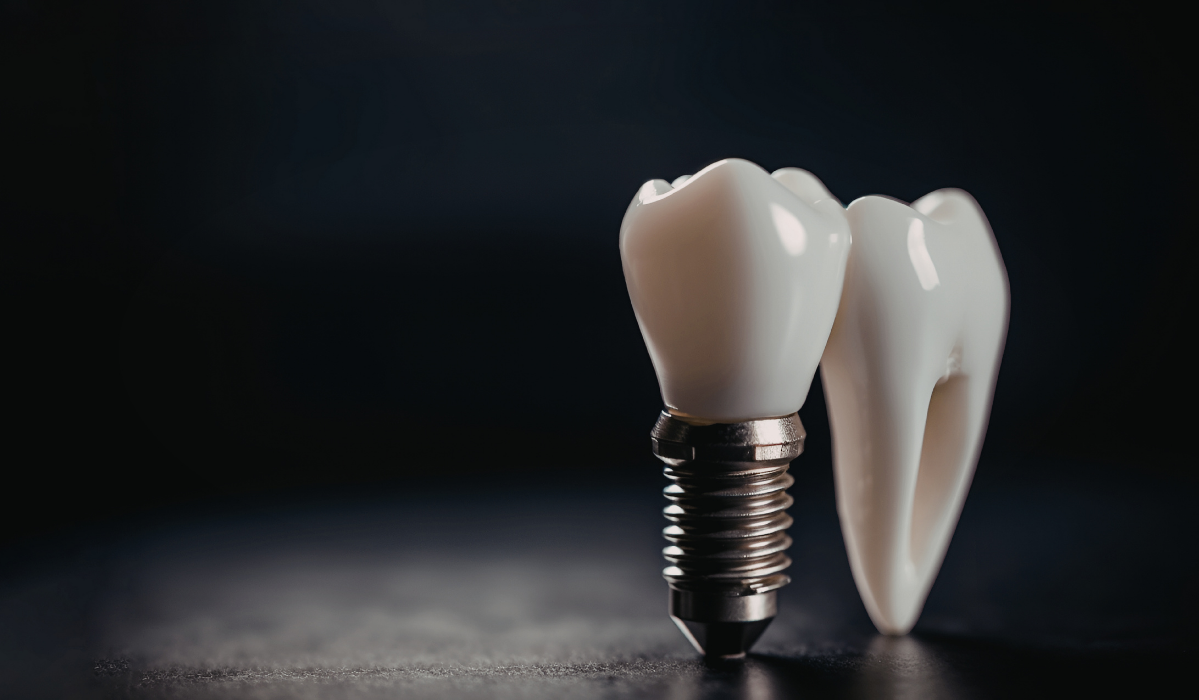
When most people picture dental implants, they picture the finished result: a natural-looking tooth that blends seamlessly with the rest of the smile. What they often do not picture is the process that leads to that result, particularly the final stage where the crown is attached and the implant becomes a fully functional tooth. This step is more involved than many patients expect, and understanding it helps set realistic timelines and clear expectations from the start.
As a dentist, I find that patients who understand the full arc of implant treatment, from surgical placement through to crown attachment, feel more confident throughout the process and less surprised when each phase takes time. This guide focuses specifically on the final restoration stage of dental implants: what it involves, how long it takes, what types of crowns are used, and how implant crowns compare to crowns placed on natural teeth.
The Full Timeline: From Implant Placement to Crown Attachment
Dental implant treatment is not a single procedure. It is a staged process that unfolds over several months. Understanding the timeline helps patients plan practically and maintain realistic expectations about when they will have a fully restored tooth.
Stage One: Implant Placement
The first stage involves surgically placing the titanium implant post into the jawbone. This post acts as the artificial root. The surgery is performed under local anaesthesia and takes roughly one to two hours depending on the number of implants being placed and whether any preparatory procedures like bone grafting are required.
After placement, the implant is typically left to heal beneath the gum tissue or just at gum level. A healing cap or cover screw is placed over the implant to protect it during this phase.
Stage Two: Osseointegration
Osseointegration is the process by which the jawbone grows around and fuses to the titanium implant surface. This is what gives dental implants their exceptional stability and longevity. It is also what takes the most time.
Osseointegration typically takes three to six months. The timeline varies depending on bone density, the location of the implant in the jaw, the patient’s overall health, and whether bone grafting was performed beforehand. Grafted bone generally requires longer healing time than native bone.
During this period, patients usually wear a temporary restoration, either a partial denture, a flipper, or a temporary crown in some cases, to maintain appearance and function while the implant integrates.
Stage Three: Abutment Placement
Once osseointegration is confirmed, typically through X-rays and a clinical assessment, the next step is placing the abutment. The abutment is a small connector piece that attaches to the top of the implant post and extends through the gum line. It is the component to which the crown will ultimately be secured.
In some cases, the abutment is placed at the same time as the implant. In others, a second minor procedure is performed to expose the implant and attach the abutment. After abutment placement, the gum tissue is given two to four weeks to heal and shape itself around the abutment before impressions are taken for the crown.
Stage Four: Crown Fabrication and Attachment
Once the gum tissue has healed around the abutment, impressions or digital scans are taken of the implant site and the surrounding teeth. These records are sent to a dental laboratory where the custom crown is fabricated. Lab turnaround typically takes one to three weeks.
When the crown is ready, it is attached to the abutment and checked carefully for fit, bite, and appearance before being permanently secured. This final appointment is usually straightforward and takes under an hour. For most patients, it is the most satisfying appointment of the entire process because it is the moment the implant truly becomes a tooth.
From first surgery to crown attachment, the full timeline for a standard dental implant case at Dunnville Dentistry is typically six to twelve months. Complex cases involving grafting or multiple implants may extend beyond this range.
Types of Crowns Used With Dental Implants
Not all implant crowns are the same. The material chosen for your crown affects its appearance, durability, and maintenance. Your dental team will recommend the most appropriate option based on the location of the implant, your bite forces, your aesthetic goals, and your budget.
Porcelain Fused to Metal (PFM)
Porcelain fused to metal crowns have been used in dentistry for decades and remain a reliable option for implant restorations. A metal substructure provides strength and stability, while a porcelain outer layer provides a natural tooth-like appearance.
PFM crowns are durable and well-suited to back teeth where chewing forces are greatest. One limitation is that the metal margin at the base of the crown can sometimes become visible as the gum tissue changes over time, creating a faint dark line near the gum line. For patients with high smile lines or those placing implants in highly visible areas, this can be a cosmetic concern worth discussing.
All-Ceramic or All-Porcelain Crowns
All-ceramic crowns are the most aesthetically refined option available for dental implants. They contain no metal, which eliminates the risk of visible dark margins and allows light to pass through the crown in a way that closely mimics natural tooth enamel. The result is a restoration that is exceptionally difficult to distinguish from a natural tooth.
Modern ceramic materials, particularly zirconia and lithium disilicate, are extremely strong and resistant to chipping. Zirconia in particular has become the material of choice for implant crowns in many practices because it combines outstanding aesthetics with the durability needed to withstand long-term occlusal forces. All-ceramic crowns are suitable for both front and back teeth.
Zirconia Crowns
Zirconia deserves specific mention because it has become the dominant material in implant crown fabrication. It is a form of ceramic that is milled from a solid block using computer-aided design and manufacturing technology (CAD/CAM). This process produces a crown with exceptional precision and consistency.
Zirconia crowns are biocompatible, meaning the surrounding gum tissue responds well to them with minimal irritation. They are highly resistant to fracture, do not corrode, and maintain their colour over time without staining. For patients who want a long-lasting, low-maintenance implant crown that looks completely natural, zirconia is a strong choice.
Implant-Supported Crowns for Multiple Missing Teeth
When several adjacent teeth are missing, dental implants can support a bridge rather than individual crowns. Two implants can anchor a three-unit bridge, for example, replacing the two outer teeth and the space in between without placing an implant at every position. Implant-supported bridges use the same crown materials described above and follow a similar fabrication and attachment process.
How Implant Crowns Differ From Crowns on Natural Teeth
This is a question that comes up frequently, particularly from patients who have had crowns placed on natural teeth and assume the process is the same. There are meaningful differences worth understanding.
The Foundation Is Different
A crown placed on a natural tooth sits on a prepared tooth structure. The tooth is shaped to create a stable base, and the crown is cemented directly onto it. The tooth root and its surrounding periodontal ligament remain intact.
An implant crown sits on an abutment that is connected to a titanium post in the bone. There is no natural tooth structure beneath it and no periodontal ligament. The implant is anchored directly in the bone, which gives it excellent stability but also means the attachment and maintenance considerations are different.
How the Crown Is Secured
Implant crowns are attached to the abutment in one of two ways: cement-retained or screw-retained.
Cement-retained crowns are secured using dental cement, much like a crown on a natural tooth. The process feels familiar and the crown has a clean appearance with no visible access holes. The limitation is that removal for maintenance or repair requires drilling through the cement, which can be more involved.
Screw-retained crowns are attached directly through a small access hole in the biting surface of the crown, which is then sealed with composite material. This approach allows the crown to be removed and replaced without damaging it, which is a practical advantage over the long life of an implant.
Your dental team will recommend one attachment method over the other based on the position of the implant, the angulation of the abutment, and the clinical situation. Both methods are widely used and produce reliable results.
Gum Tissue Responds Differently
Around a natural tooth, the periodontal ligament and gum tissue form a tight biological seal that helps protect the root from bacteria. Around an implant, the gum tissue forms a similar seal but without the ligament attachment. This makes the tissue slightly more vulnerable to bacterial buildup if oral hygiene is inconsistent.
Peri-implantitis is an inflammatory condition around an implant that behaves similarly to gum disease. It is one of the primary causes of late implant failure. Keeping the area around an implant crown clean through daily brushing, flossing, and the use of interdental tools is essential for long-term success.
Implant Crowns Do Not Move With the Jaw
Natural teeth have a tiny amount of natural give due to the periodontal ligament, a thin layer of connective tissue between the root and the bone. This ligament acts as a shock absorber and allows microscopic movement in response to biting forces.
Implants are fused directly to the bone with no ligament present. This means implant crowns do not flex or move the way natural teeth do. In most cases this is an advantage, providing a stable, reliable chewing surface. It does mean, however, that bite alignment must be checked carefully at the final crown appointment. An implant crown that sits too high in the bite will not self-adjust the way a natural tooth might and can cause discomfort or damage if not corrected promptly.
Implant Crowns Cannot Develop Cavities
The crown material itself, whether ceramic or porcelain, cannot decay. This is often seen as a significant benefit of dental implants over natural teeth. However, it is worth noting that the gum tissue and bone around the implant can still be affected by bacterial accumulation. The absence of cavity risk does not mean the area requires less hygiene attention. If anything, consistent cleaning around implant crowns is just as important as around natural teeth.
Caring for Your Implant Crown Long Term
Once the crown is in place, ongoing care is straightforward. Brush twice daily with a soft-bristled toothbrush and fluoride toothpaste. Floss around the implant crown daily using regular floss, implant-specific floss, or an interdental brush. A water flosser can be a helpful addition for cleaning around the abutment beneath the gum line.
Attend your regular dental check-ups at Dunnville Dentistry so the implant, crown, and surrounding tissue can be monitored consistently. Periodic X-rays confirm that the bone level around the implant remains stable over time. If the crown ever feels loose, develops a chip, or changes in how it feels during biting, contact the office promptly. Early intervention on minor issues prevents them from becoming larger ones.
Book Your Dental Implant Consultation in Dunnville
If you are considering dental implants or are partway through treatment and want to understand the road ahead, we are here to help. Dunnville Dentistry is located at 105 Locke Street East in Dunnville, Ontario, and our team guides patients through every stage of the implant process with clear communication and thorough follow-up care.
Call us at 905-774-7608 to book your consultation or to ask any questions about implant crown options. A complete, natural-looking smile is a worthwhile investment, and we are committed to helping you get there with confidence.

0 Comments