
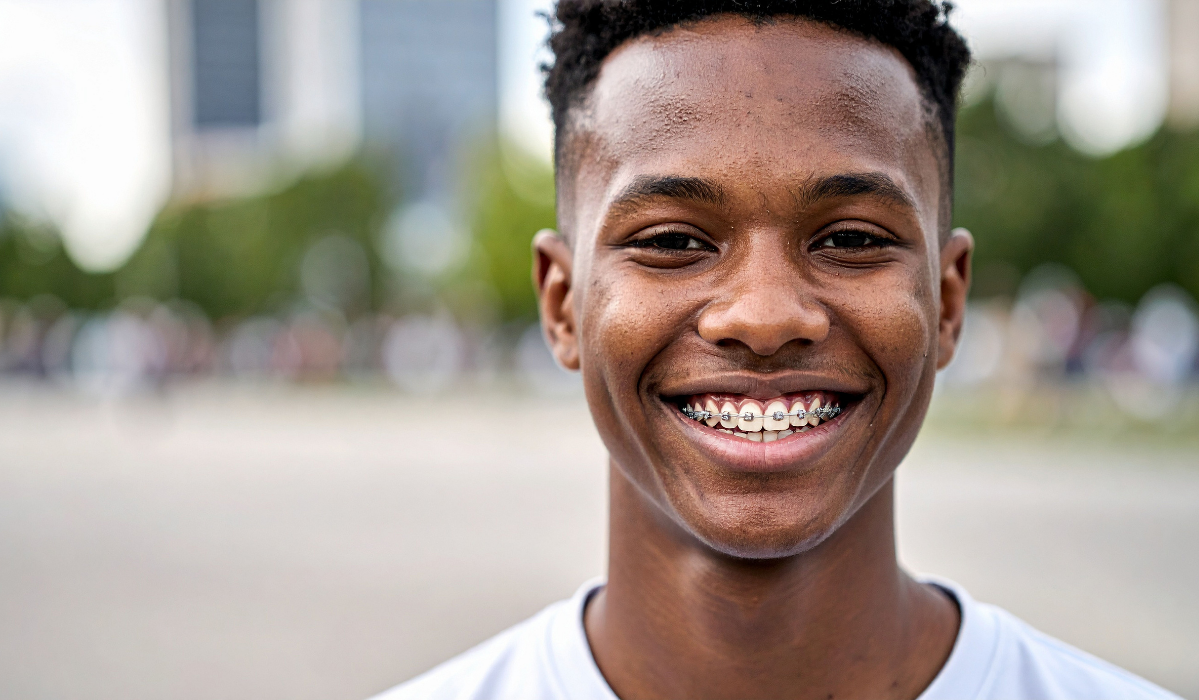
Wearing braces doesn’t mean giving up sports. Athletes of all ages can continue playing while straightening their teeth. However, braces require extra protection during athletic activities to prevent injuries and damage to your orthodontic appliances.
Let me explain how to protect your smile, which mouthguards work best, and what to do if your braces get damaged.
Why Protection Matters for Athletes with Braces
Braces create additional risks during sports. Metal brackets and wires can cut lips, cheeks, and gums if you take a blow to the face. Impact that might cause minor bruising without braces can result in significant tissue damage when brackets press into your mouth.
The braces themselves can also break. Damaged brackets, bent wires, and loosened bands interrupt treatment and require emergency repairs. These setbacks extend treatment time and create unnecessary discomfort. Proper protection prevents most sports-related orthodontic injuries.
Mouthguard Options for Braces
Standard mouthguards don’t fit properly over brackets and wires. You need specialized protection designed for braces wearers.
Orthodontic Mouthguards
Over-the-counter orthodontic mouthguards have extra room where brackets sit. They’re made from softer, more flexible materials that cushion braces and reduce injury risk. You can find these at most sporting goods stores and pharmacies.
While better than nothing, generic orthodontic guards don’t provide the same protection as custom options. They work for low-contact activities but may not offer enough protection for high-impact sports.
Custom-Fitted Mouthguards
Custom mouthguards made by your dentist provide superior protection. At Dunnville Dentistry located at 105 Locke Street E, we create guards from impressions of your teeth that fit precisely over your braces.
Custom guards distribute impact forces evenly, protecting both teeth and orthodontic appliances. They’re more comfortable and stay in place during activity. The main consideration is that as teeth move, the guard may need adjustments or replacement.
Sports-Specific Safety Guidelines
Different sports carry different risk levels. High-contact sports like football, hockey, basketball, and martial arts require quality mouthguards every time you play or practice. Never participate without proper protection.
Moderate-risk sports including baseball, softball, soccer, and volleyball also need mouthguards, especially during games. Many athletes wear guards during games but not every practice. While this reduces protection somewhat, it’s better than never wearing one.
Low-risk activities like swimming, track, golf, and tennis rarely cause mouth injuries. Athletes in these sports typically don’t need mouthguards unless they want extra peace of mind.
For patients with Fastbraces at Dunnville Dentistry, the shorter treatment time means less time needing special athletic precautions. Fastbraces can straighten teeth in as little as 60 to 90 days, compared to 18 to 36 months with traditional braces.
Additional Safety Precautions
Beyond mouthguards, several strategies reduce injury risk. Check your mouthguard regularly for wear and replace damaged guards immediately. Rinse before and after each use, and store it in a ventilated container.
Inspect your braces daily, especially after sports. Look for loose brackets, protruding wires, or damage. Catching problems early prevents them from worsening. Inform coaches and teammates that you wear braces so everyone takes appropriate care during contact drills.
If possible, schedule adjustment appointments early in the week rather than before games. Your mouth needs time to adjust after wire changes, and timing around your athletic schedule minimizes discomfort during competitions.
What to Do If Braces Are Damaged
Despite precautions, accidents happen. If you take a hit to the mouth, stop playing immediately. Look for loose brackets, broken wires, cuts, or knocked-out teeth. Rinse with water to see clearly.
For protruding wires poking your cheek, try gently pushing the wire back using a clean eraser end of a pencil. If this doesn’t work, cover the wire with orthodontic wax until you can see your orthodontist.
Significant bleeding, severe pain, or knocked-out teeth require immediate medical attention. For less urgent issues like loose brackets, contact Dunnville Dentistry at 905-774-7608 as soon as possible.
Over-the-counter pain relievers help manage discomfort. Apply ice to reduce swelling using 20 minutes on, 20 minutes off. Rinse with warm salt water several times daily if you have cuts. Stick to soft foods until your braces are repaired.
Don’t wait until your next scheduled adjustment if brackets break or wires cause problems. Prompt repair prevents treatment delays and additional complications.
The Fastbraces Advantage
For athletes starting orthodontic treatment, Fastbraces technology offers significant advantages. Traditional braces require years of treatment, meaning extended periods needing sports protection. Fastbraces complete treatment in just 60 to 90 days.
This revolutionary technology available at Dunnville Dentistry moves teeth quickly and safely, dramatically reducing the time you need to worry about protecting braces during sports. The shorter duration means less disruption to your athletic activities and fewer opportunities for sports-related injuries.
Stay Active and Protected
Braces and athletics are completely compatible with proper precautions. Wearing an appropriate mouthguard, following safety guidelines, and knowing how to handle emergencies allows you to pursue your goals while achieving a straight smile.
Questions about protecting your braces during sports? Contact Dunnville Dentistry at 905-774-7608. We’re located at 105 Locke Street E in Dunnville and ready to help you play safely while straightening your smile.
0 Comments