
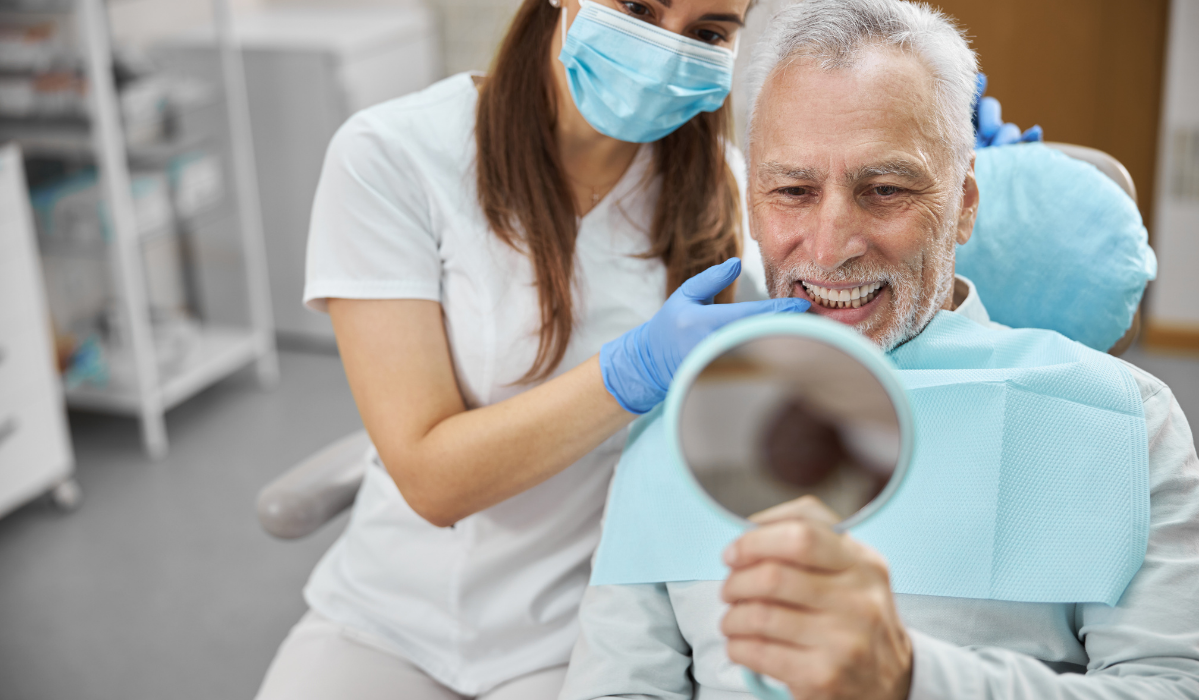
Determining whether you’re a good candidate for dental implants requires evaluation of multiple health and lifestyle factors. At Dentistry Dunnville, we assess each patient individually to ensure optimal outcomes and long-term success. While dental implants work well for most people, certain conditions and circumstances affect treatment recommendations and success rates.
Health Conditions Affecting Dental Implants Success
Medical Conditions That Impact Treatment:
- Uncontrolled diabetes affecting healing
- Autoimmune disorders compromising immunity
- Osteoporosis reducing bone density
- Heart disease requiring special precautions
- Blood clotting disorders
- Active cancer treatment
Certain health conditions require careful evaluation before proceeding with implant treatment. Uncontrolled diabetes can impair healing and increase infection risk. Patients with well-managed diabetes often achieve excellent results, but blood sugar control must be optimized before surgery.
Autoimmune disorders affect the body’s ability to heal and fight infection. These conditions don’t necessarily prevent implant placement, but they require additional precautions. At Dentistry Dunnville, we work closely with patients’ physicians to ensure safe treatment.
Osteoporosis and medications used to treat it can affect bone quality and healing. Some osteoporosis medications require temporary discontinuation before implant surgery. Your dentist will coordinate with your medical team to develop a safe treatment plan.
Bone Density Requirements for Dental Implants
Bone Health Factors for Successful Placement:
- Adequate bone height and width
- Sufficient bone density for stability
- Healthy bone quality without disease
- Time since tooth loss affecting bone volume
- Previous bone grafting procedures
Adequate bone density is essential for successful implant integration. The jawbone must be strong enough to support the implant during healing and throughout its lifetime. Bone loss from long-term tooth absence can compromise available bone for placement.
Bone grafting procedures can rebuild lost bone structure when natural bone proves insufficient. These procedures add time to the overall treatment but significantly improve success rates. Many patients who initially lack adequate bone become good candidates after grafting.
Digital imaging at Dentistry Dunnville allows precise measurement of bone dimensions. 3D scans reveal bone quality and quantity, helping determine whether additional procedures are needed. This advanced technology improves treatment planning and outcomes.
Age Considerations for Dental Implants Treatment
Age-Related Factors in Candidacy:
- Completed jaw growth in younger patients
- Overall health status more important than age
- Older adults often excellent candidates
- Healing capacity varies by individual
- Life expectancy and treatment longevity
Age alone rarely disqualifies patients from receiving implant treatment. Young patients must have completed jaw growth, typically by late teens. Once growth is complete, age becomes less important than overall health status.
Older adults often make excellent candidates for tooth replacement with implants. Many seniors enjoy better health than younger patients with chronic conditions. The key factor is overall health rather than chronological age.
Life expectancy and treatment goals influence recommendations for older patients. Implants represent long-term investments that can last decades with proper care. Discussing expectations and goals helps determine the most appropriate treatment approach.
Lifestyle Factors Influencing Dental Implants Success
Habits That Affect Treatment Outcomes:
- Smoking significantly reducing success rates
- Alcohol consumption affecting healing
- Oral hygiene habits and commitment
- Teeth grinding causing implant stress
- Diet and nutrition supporting healing
Smoking represents the most significant lifestyle factor affecting implant success. Nicotine restricts blood flow, impairing healing and integration. Patients who smoke face higher failure rates and increased complication risks.
Quitting smoking before implant placement dramatically improves outcomes. Most dentists recommend stopping tobacco use at least two weeks before surgery. Remaining tobacco-free during healing optimizes integration and long-term success.
Excellent oral hygiene is essential for maintaining implants long-term. Patients must commit to thorough daily cleaning and regular professional care. Those unwilling or unable to maintain proper hygiene may not be ideal candidates.
Gum Disease and Dental Implants Candidacy
Active gum disease must be treated before implant placement. Bacteria causing periodontal disease can compromise implant integration and lead to failure. Controlling gum disease creates a healthy environment for successful treatment.
Patients with history of severe gum disease require careful evaluation. The same factors that caused natural tooth loss can affect implants. At Dentistry Dunnville, we assess periodontal health thoroughly before recommending implant treatment.
Ongoing periodontal maintenance becomes crucial after implant placement. Regular professional cleanings and monitoring help prevent peri-implantitis, an infection affecting implants. Patients must commit to this long-term care for optimal results.
Financial and Time Commitment Considerations
Implant treatment requires significant financial investment and time commitment. The process typically spans several months from initial placement to final restoration. Patients must be prepared for multiple appointments and healing periods.
Most dental insurance plans provide partial coverage for implant treatment. Coverage varies widely, so verifying benefits before beginning treatment is important. Dentistry Dunnville provides detailed cost estimates and discusses payment options with patients.
The time investment includes surgical procedures, healing periods, and restorative appointments. Patients with demanding schedules must plan accordingly. Understanding the timeline helps ensure realistic expectations and successful outcomes.
Evaluation Process for Dental Implants Candidacy
Comprehensive evaluation at Dentistry Dunnville includes medical history review, oral examination, and diagnostic imaging. This thorough assessment identifies potential challenges and helps develop personalized treatment plans. We discuss findings openly with patients to ensure informed decision-making.
The consultation process allows patients to ask questions and express concerns. Understanding the procedure, timeline, and expectations helps patients feel confident about treatment. We provide honest assessments about candidacy and alternative options when appropriate.
If you’re considering tooth replacement options, contact Dentistry Dunnville in Dunnville at 905-774-7608 to schedule a consultation. Our experienced team will evaluate your candidacy for dental implants and discuss the best solutions for your individual needs and circumstances.

0 Comments